Measure doorways, hallways, and staircases to ensure furniture will fit through before moving.
Create a clear path free of obstacles to prevent trips and falls.
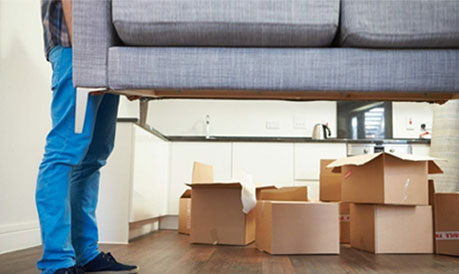
Bend your knees, not your back, and lift with your legs to avoid straining your back.
Keep the item close to your body and avoid twisting your torso while carrying.
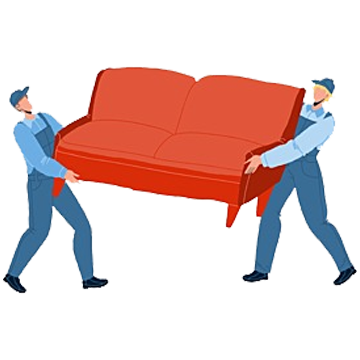
Always have at least one other person to assist with heavy or bulky items.
Communicate clearly with your moving partner to coordinate lifting and moving.
Utilize tools such as dollies, hand trucks, sliders, and moving straps to ease the load
and protect your body from strain
Take apart furniture such as tables, bed frames, and shelves to make them easier and safer to move.
Keep all hardware in labeled bags to avoid losing parts.
Use moving blankets, bubble wrap, and furniture pads to protect furniture
from scratches and damage during transit.
Choose comfortable, close-fitting clothing and sturdy, non-slip shoes to prevent accidents.
Remove any rugs, cords, or other obstacles that could cause tripping or slipping.
Ensure pets and children are out of the way during the moving process.
If lifting with a partner, lift at the same time to ensure even weight distribution.
Communicate and count down before lifting to ensure coordination.
Keep your back straight, shoulders back, and head up while lifting and carrying items.
Avoid overexertion by taking regular breaks to rest and hydrate,
especially during strenuous moving tasks.
Wear gloves to improve grip and protect your hands from sharp edges.
Be mindful of where you place your feet to avoid dropping items on them.
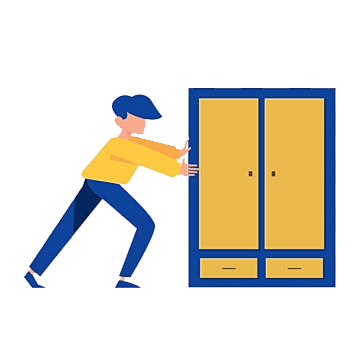
When using a dolly or moving heavy items on wheels, push rather than pull to maintain
better control and leverage.
Take extra care when moving furniture up or down stairs, and use a spotter if possible.
Move one step at a time and maintain communication with your partner.
Recognize your physical limits and don't attempt to move items that are too heavy
or awkward for you to handle safely.